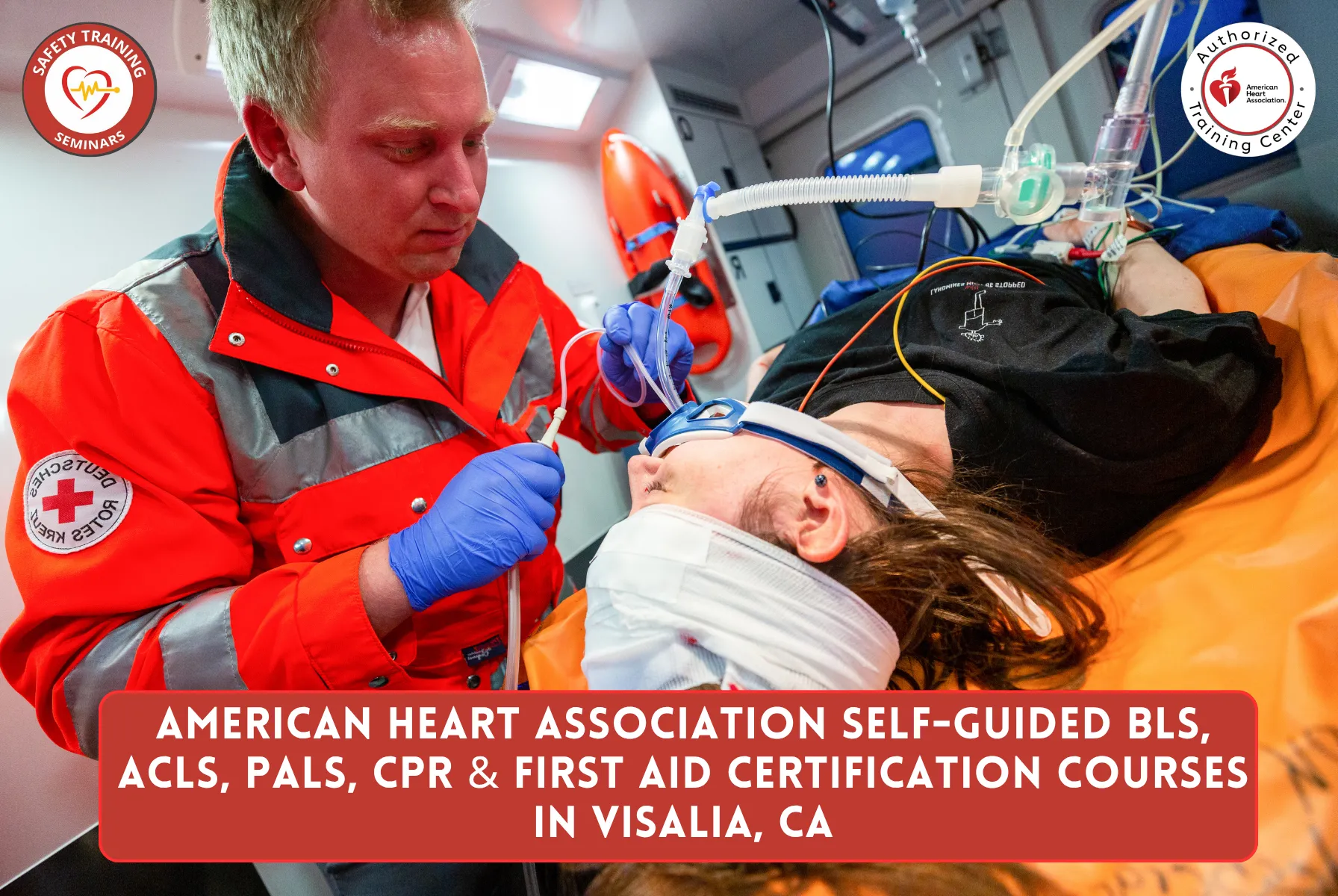
Balancing clinical shifts at regional medical centers, managing community health initiatives, and keeping up with continuing education requirements in the heart of the Central Valley leaves little room for rigid scheduling. For medical personnel, local educators, and workplace safety teams across Tulare County, finding time for traditional, multi-hour classroom training can prove challenging. American Heart Association Self-Guided Learning offers an efficient alternative for individuals in Visalia who need to secure valid certifications without sacrificing working hours. By separating cognitive coursework into an independent online phase followed by targeted hands-on skills testing, this format matches the unpredictable timetables typical of healthcare and community service professions.
AHA Self-Guided Learning allows eligible participants to complete instructional theory online at their convenience before finishing mandatory physical skills evaluations in person. Choosing the correct track depends on your occupational background and the regulatory standards mandated by your employer or licensing agency.
What is AHA Self-Guided Learning?
Self-guided learning is a structured, blended approach created by the American Heart Association to optimize how students master resuscitation science. Instead of spending an entire day sitting through lectures, learners study online modules independently via a digital device. This web-based portion covers theoretical foundations, emergency algorithms, and chain-of-survival principles.
However, mastering digital theory is only half of the process. Because effective resuscitation relies heavily on physical execution, these courses mandate an in-person practice and testing session with an authorized instructor.
The process generally unfolds through a few distinct milestones:
- Choose the specific certification course that matches your job requirements.
- Complete the online educational component at your own pace.
- Schedule and attend a supervised hands-on skills verification session.
- Obtain your official American Heart Association provider eCard upon passing all cognitive and physical benchmarks.
This pathway differs entirely from fully online-only programs, which omit physical skills evaluations and are frequently rejected by hospitals, clinics, and emergency services.
Course-Specific Training Options in Visalia
Different professions require distinct emergency response skill sets. Reviewing the core curriculum options ensures you register for the exact credential demanded by your organization.
Basic Life Support (BLS) Classes
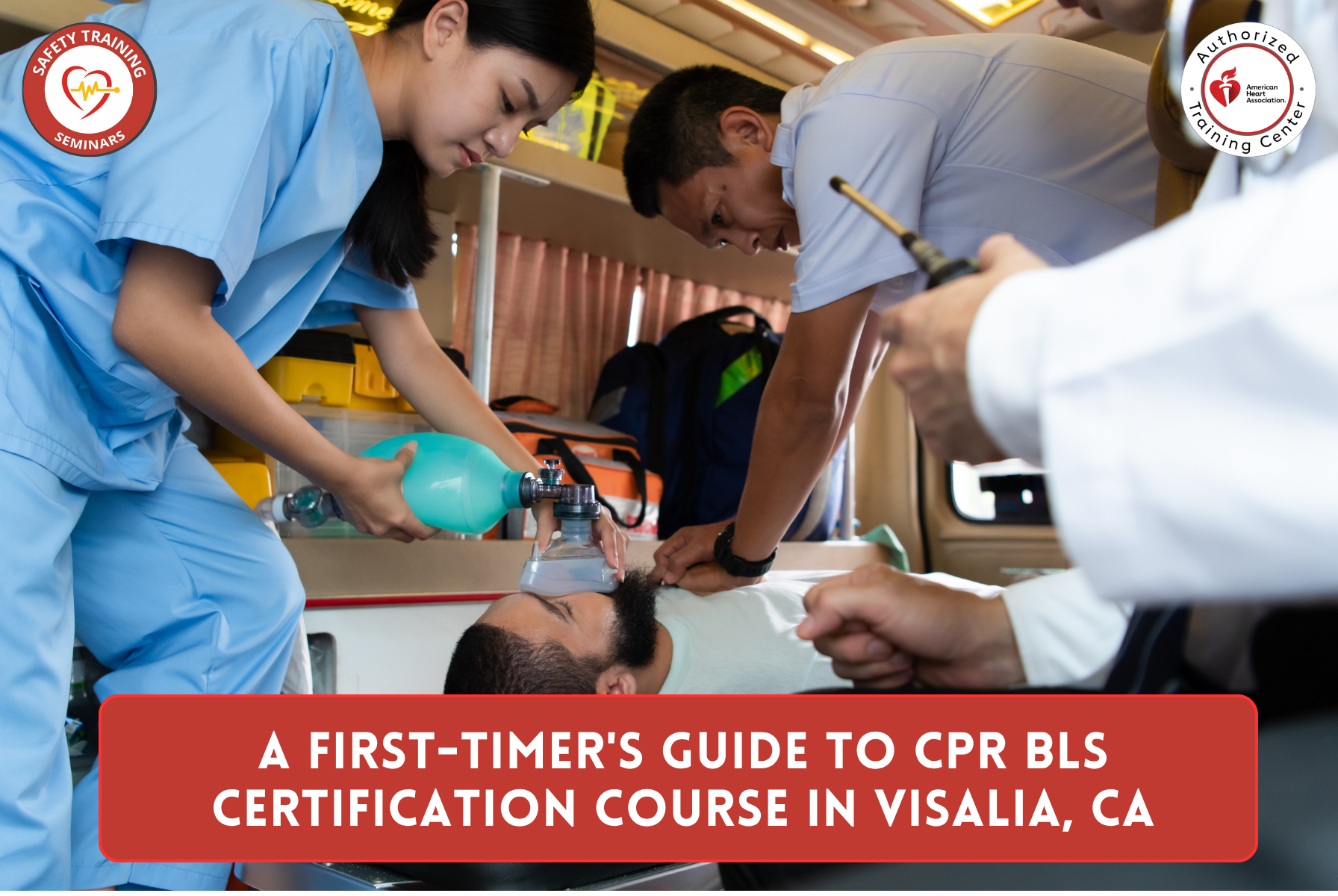
Basic Life Support focuses on high-performance chest compressions, multi-provider team coordination, and automated external defibrillator operation for patients of all ages. BLS certification is standard for clinical onboarding. Medical assistants, dental hygienists, physical therapists, registered nurses, and nursing students frequently look for BLS classes in Visalia to fulfill hospital or university compliance mandates.
Advanced Cardiovascular Life Support (ACLS)
Advanced Cardiovascular Life Support is built for experienced healthcare personnel who direct or participate in complex adult resuscitation scenarios, including cardiac arrest and peri-arrest states. The curriculum covers advanced airway management, electrical therapy, ECG rhythm recognition, and emergency pharmacology. Critical care nurses, physicians, and paramedics frequently seek out local ACLS and PALS training options to maintain hospital privileges.
Pediatric Advanced Life Support (PALS)
Pediatric Advanced Life Support trains clinical staff to manage critically ill or injured infants and children systematically. The course emphasizes early recognition of respiratory distress, shock states, and pediatric cardiac arrest algorithms. Professionals working in pediatric clinics or emergency departments rely on structured PALS pathways to handle specialized pediatric resuscitation protocols.
CPR, AED, and First Aid Training
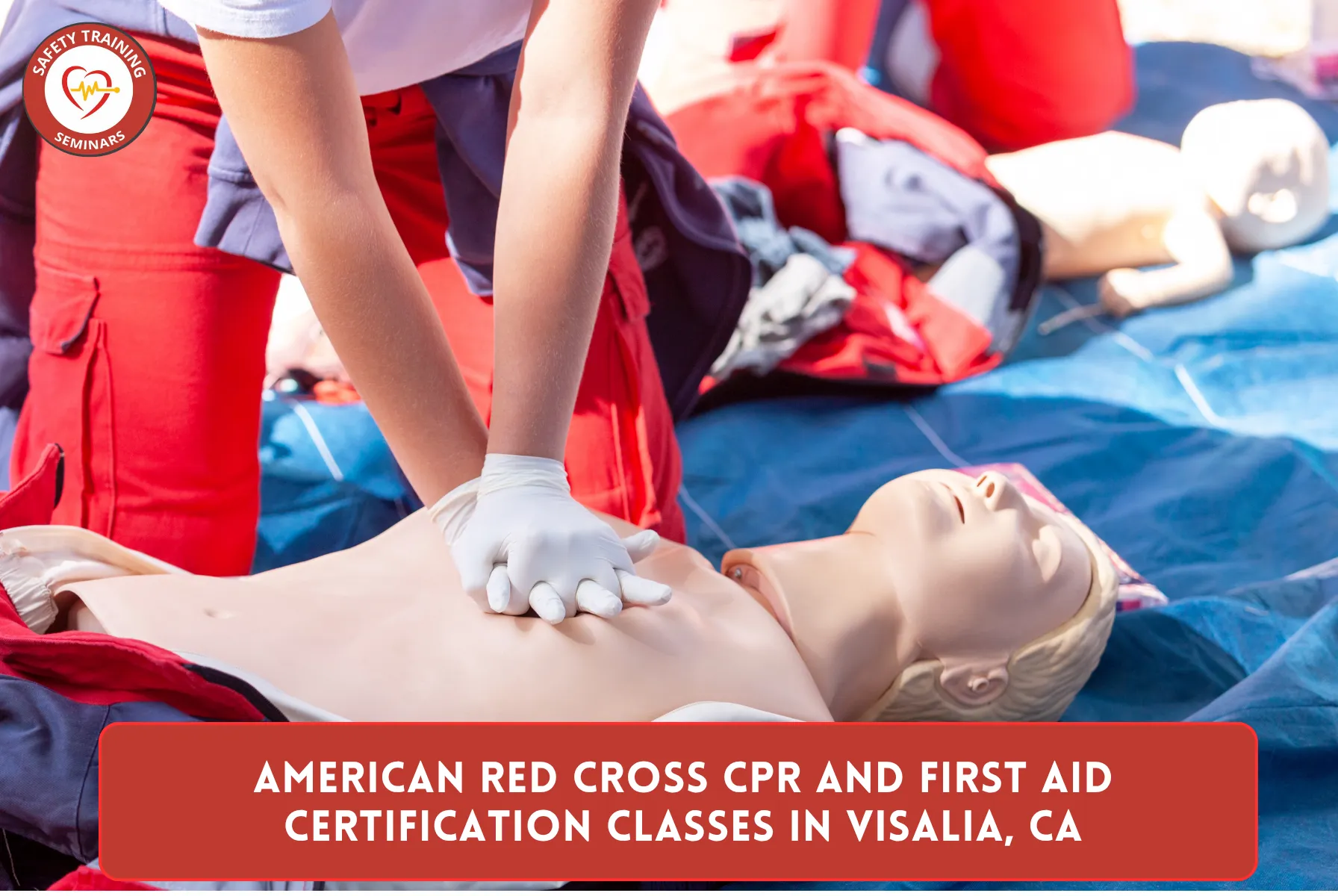
Non-clinical personnel generally require community-oriented safety credentials rather than advanced clinical tracks. Public school teachers, daycare operators, fitness instructors, and corporate staff often complete CPR and First Aid courses near Visalia to satisfy OSHA guidelines or school district policies. These sessions teach lay rescuers how to respond to cardiac arrest, manage sudden choking incidents, and treat common workplace injuries.
How to Choose the Appropriate Course
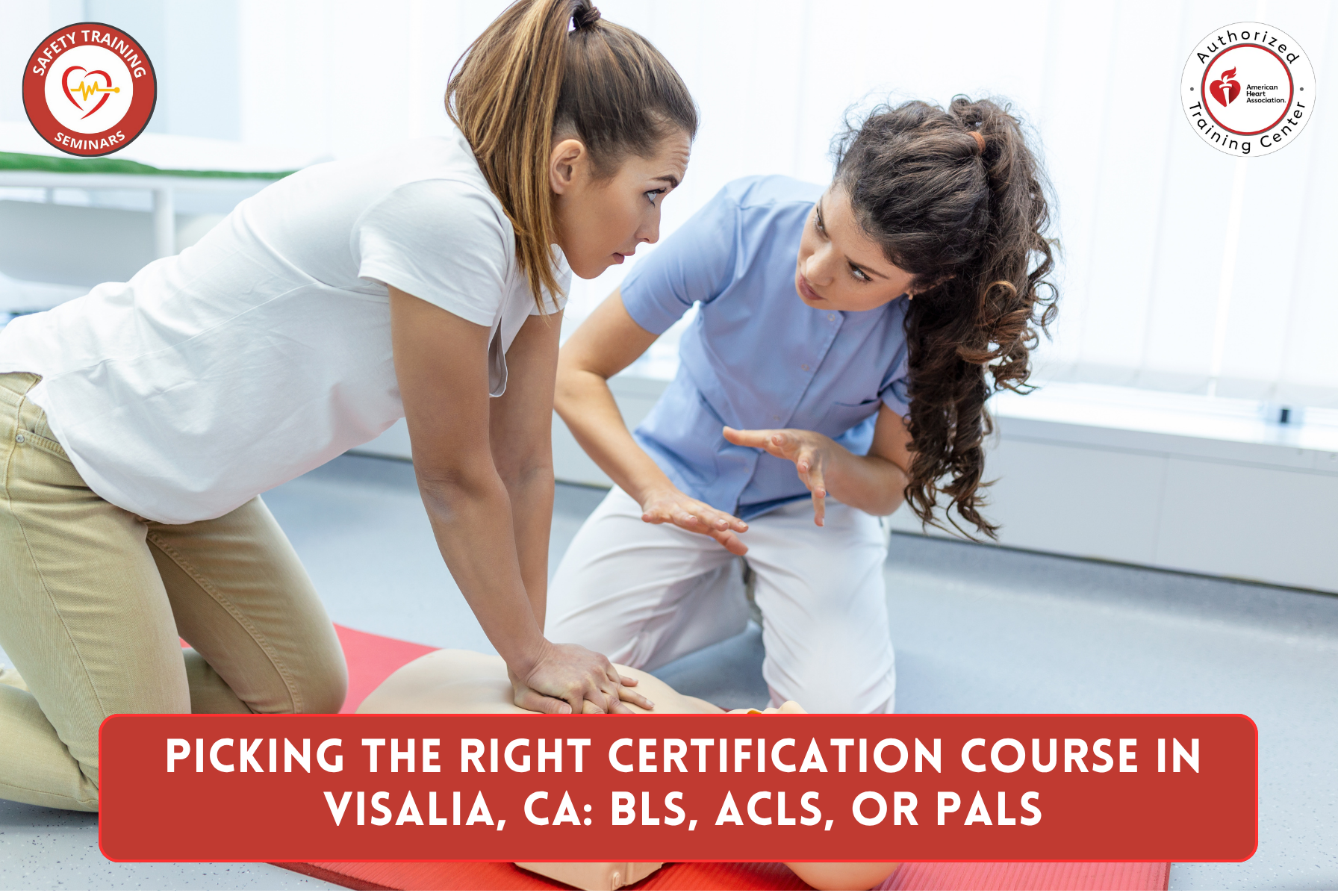
Registering for the wrong curriculum can result in compliance delays with your employer or educational institution. Comparing standard categories helps clarify your selection.
| Course Category | Primary Target Audience | Core Focus Areas |
| BLS | Healthcare personnel & clinical students | High-quality CPR, team dynamics, AED use, bag-valve-mask ventilation |
| ACLS | Emergency and critical care staff | Advanced resuscitation algorithms, ECG evaluation, pharmacology |
| PALS | Pediatric healthcare providers | Systematic pediatric assessment, stabilization, resuscitation protocols |
| CPR / AED | General public & workplace employees | Basic compression techniques, AED operation for lay rescuers |
| First Aid | Educators, childcare workers, staff | Injury assessment, bleeding control, environmental emergencies |
Always verify your exact compliance obligations with your human resources department, school coordinator, or licensing board before finalizing registration.
Self-Guided vs Online-Only vs Traditional Training
Recognizing the structural distinctions among instructional models prevents wasted time and unapproved credentials.
- Self-Guided Learning divides the curriculum into independent online cognitive modules followed by a mandatory, instructor-supervised hands-on skills check. This format accommodates demanding work schedules without compromising practical testing standards.
- Traditional Classroom Training requires attendance at a fixed, multi-hour lecture and practice session led entirely by an instructor in a physical room. It suits learners who prefer group instruction but offers less schedule flexibility.
- Online-Only Programs provide digital instruction without any physical verification component. Many healthcare employers and regulatory agencies do not accept online-only certificates because they lack supervised manikin practice.
Local Training Access Across the Central Valley
Professionals and residents across Tulare County frequently manage travel along Highway 99 and Highway 198 while balancing demanding shifts in agriculture, healthcare, education, and local commerce. Whether you commute from nearby communities like Hanford, Tulare, or Exeter, or work directly within local medical offices, having an accessible training format minimizes time lost to transit. Completing the theoretical modules online from home or office allows you to attend a focused local session without disrupting your entire week.
Safety Training Seminars
For learners seeking reliable, recognized certification pathways, completing requirements through an established provider is essential. Safety Training Seminars operates a dedicated local training facility designed to help participants finalize their practical requirements.
The Visalia training center is located at:
5215 W Noble Street, Suite 102, Visalia, CA 93277
This facility provides a professional setting for completing mandatory hands-on evaluations. Reviewing the available course options on the Safety Training Seminars training location page helps students determine whether a blended self-guided format aligns with their calendar.
Why Choose Safety Training Seminars
Selecting a trusted training provider ensures that your time investment yields universally accepted credentials.
- Authorized AHA Material: All programs follow official American Heart Association guidelines, ensuring your resulting eCard meets strict employment standards.
- Efficient Scheduling: The blended self-guided structure allows you to study at your own pace before attending a streamlined, focused skills session.
- Expert Instruction: Practice sessions are guided by knowledgeable instructors who provide clear, constructive feedback on compression mechanics and rescue techniques.
- Prompt Processing: Official AHA course completion eCards are issued efficiently following the successful completion of both online and practical segments.
Frequently Asked Questions
What does AHA Self-Guided Learning entail?
AHA Self-Guided Learning involves completing the cognitive coursework online through an independent digital platform, followed by a mandatory hands-on skills practice and testing session with an authorized instructor.
Can local medical assistants and nursing students use self-guided BLS courses?
Yes, clinical students and healthcare personnel frequently use self-guided BLS training to fulfill program prerequisites, provided their specific institution accepts blended learning formats.
Are hands-on skills tests included with self-guided programs?
Yes, physical skills testing is a mandatory component of AHA certification courses and must be completed in person at an authorized training site after finishing the online module.
Why are online-only CPR courses often rejected by employers?
Many healthcare systems, hospitals, and regulatory bodies reject fully online-only courses because they omit supervised physical practice on manikins, which is necessary to verify actual motor competency.
What should I confirm before enrolling in a course?
You should always verify your specific professional or organizational requirements with your employer, school, or licensing board to ensure you select the correct course type.
Conclusion
Fulfilling professional development requirements should not overwhelm your schedule. By utilizing American Heart Association Self-Guided Learning, busy workers and students can manage their theoretical coursework independently while meeting essential hands-on competency standards. Whether you are updating credentials for a clinical career or satisfying workplace safety mandates in the local area, selecting the correct path ensures your certification is fully accepted. Review your organization’s specific guidelines, explore the available nearby BLS classes for healthcare professionals through Safety Training Seminars, and complete your certification with confidence.